

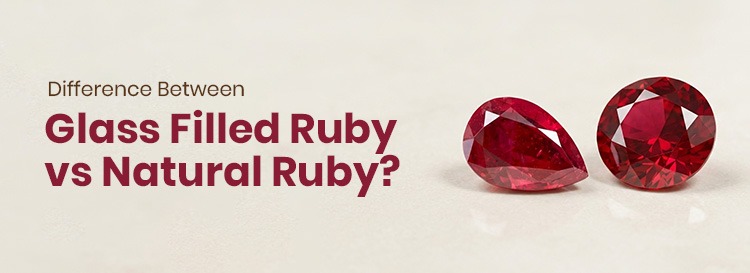
Ruby has always been one of the most desired gemstones. Its deep red shade, rarity, and that whole connection with the Sun in astrology make it really valuable. Especially both for jewelry and spiritual rituals. But once people start looking for rubies online, they quickly bump into different groups like natural ruby, heated ruby, treated ruby, and glass-filled ruby.
That is where confusion starts.
Two rubies may look almost identical in pictures, yet the price difference between them can be huge. One stone may cost a few thousand, while another with a similar appearance may cost much more. The reason usually comes down to treatment and quality.
This is why understanding glass filled ruby vs natural ruby is important before buying.
A lot of buyers only focus on appearance. If the stone looks bright and clear, they assume it is high quality. But in the ruby market, appearance alone does not tell the full story. Many heavily treated stones are made to look cleaner than genuine natural rubies.
This guide explains the difference in a simpler and more practical way, including durability, value, astrological use, pricing, and how to identify glass filled ruby before making a purchase.
|
Feature |
Glass Filled Ruby |
Natural Ruby |
|
Formation |
Natural ruby with heavy treatment |
Naturally formed ruby |
|
Treatment |
Fractures filled with lead glass |
Untreated or lightly treated |
|
Appearance |
Very bright and clear |
May contain natural inclusions |
|
Durability |
Lower |
Strong and durable |
|
Astrological Use |
Usually avoided |
Commonly preferred |
|
Long-Term Value |
Lower resale value |
Better long-term value |
|
Heat Resistance |
Sensitive to heat |
More stable |
|
Price Range |
More affordable |
Expensive depending on quality |
What is a Natural Ruby?
A natural ruby stone is basically a gemstone formed naturally inside the earth , over millions of years or so. It has that red color because chromium is inside the corundum mineral, and I mean literally present there.
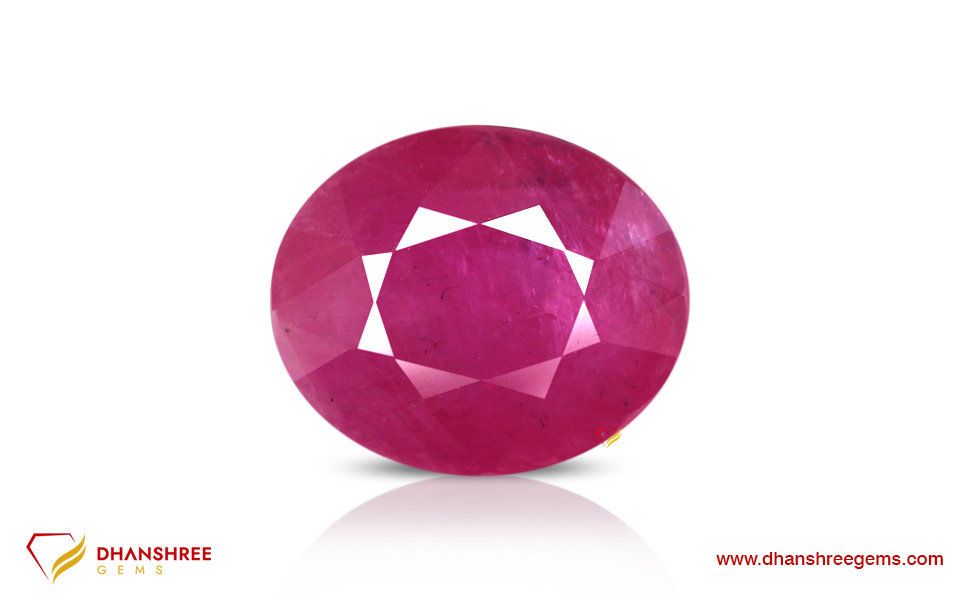
Natural rubies get their value in part because they are rare. Stones that show a strong red hue , plus good transparency , and fewer inclusions are hard to come across. That scarcity raises their price and, of course, increases the demand too.
One thing a lot of buyers misunderstand is inclusions.
Natural rubies often contain:
- internal marks
- fine lines
- crystal inclusions
- natural growth patterns
These are normal signs of natural formation. In fact, completely flawless rubies are extremely rare.
Natural rubies are commonly used in:
- fine jewelry
- astrological rings
- long-term collections
- heirloom jewelry
Because the stone remains natural in structure, it is considered more durable and valuable over time.
What is a Glass Filled Ruby?
A glass filled ruby begins as a low-quality natural ruby that contains heavy fractures and cracks. On its own, the stone may look cloudy or weak in color.
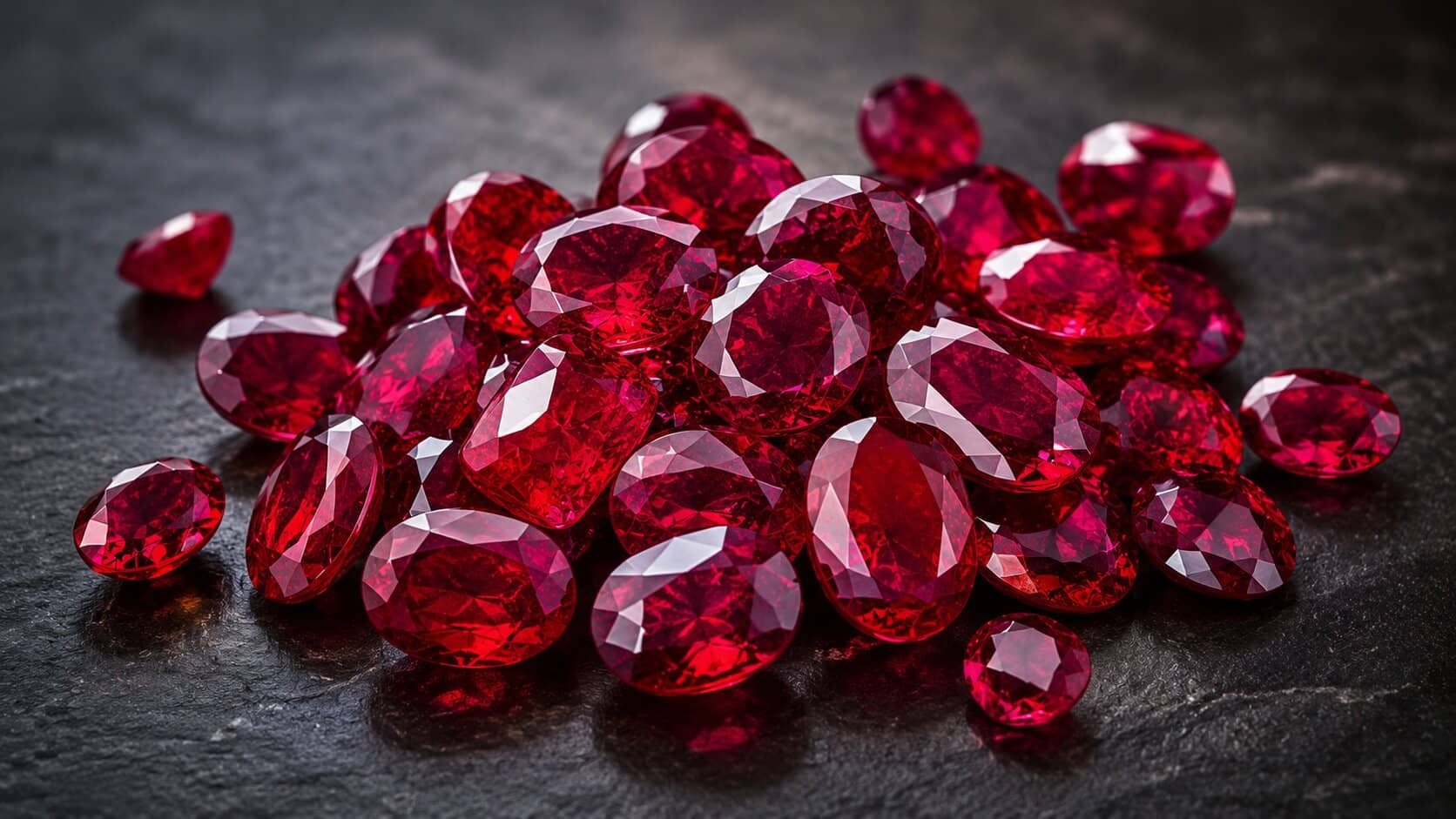
To improve appearance, these fractures are filled with lead glass.
This process makes the ruby:
- appear clearer
- look brighter under light
- show improved transparency
- resemble a better-quality stone visually
However, the fractures inside the ruby still exist. The glass only hides them.
This is one reason why glass filled rubies are sold at much lower prices compared to natural rubies.
Many buyers are unaware of this treatment because some sellers simply market the stone as “ruby” without properly explaining the difference.
Glass Filled Ruby vs Natural Ruby:
Understanding glass filled ruby vs natural ruby becomes easier once you compare how both stones behave over time.
Appearance Difference
At first glance, a glass filled ruby may actually look more attractive than a natural ruby stone. The glass filling hides fractures and improves clarity, making the stone appear bright and clean.
Natural rubies usually show:
- inclusions
- internal marks
- uneven natural patterns
This often confuses first-time buyers because they assume cleaner means better.
But in gemstones, especially rubies, that is not always true.
An overly clean ruby sold at a low price is often heavily treated.
This is one of the biggest loopholes in the ruby market. Buyers judge only by appearance without understanding what is happening inside the stone.
Durability Difference
This is where the real difference becomes important.
Natural ruby is one of the hardest gemstones after diamond. It is durable enough for long-term jewelry use and daily wear.
Glass filled ruby is much weaker internally because the fractures still remain beneath the glass filling.
This means:
- heat can damage the filling
- cleaning chemicals may affect the stone
- accidental impact can create cracks
- jewelry repair work becomes risky
Over time, the filling may also become cloudy or damaged.
A natural ruby generally lasts much better in the long run.
Astrological Difference
This is another area where many blogs give incomplete information.
In astrology, untreated or minimally treated gemstones are usually preferred because they are believed to carry stronger planetary energy.
A natural ruby is associated with the Sun and is often worn for:
- confidence
- leadership
- recognition
- personal strength
A glass filled ruby, however, undergoes heavy treatment. Because of this, many astrologers
avoid recommending it for astrological purposes.
For people buying ruby specifically for astrology, this difference matters a lot.
How to Identify Glass Filled Ruby?
One of the most searched questions is how to identify glass filled ruby.
While proper laboratory certification is the safest method, there are still a few visible signs buyers can watch for.
Unusual Flash Effect
Under strong light, glass filled rubies may show:
- blue flashes
- orange reflections
- purple flashes inside fractures
This happens because the glass reacts differently to light than natural ruby material.
Surface Fractures
Sometimes tiny filled cracks become visible near the surface. These areas may appear smoother or slightly glassy.
Natural ruby inclusions usually look more natural and less reflective.
Extremely Low Price
A bright and clean ruby sold at a very low price is often treated.
Good-quality natural rubies are rarely inexpensive.
Certification Matters
A gemstone certificate is one of the safest ways to understand treatment
A proper report usually mentions:
- natural ruby
- heated ruby
- glass filled ruby
Without certification, buyers often depend entirely on seller claims.
Glass Filled Ruby vs Natural Ruby Price:
The difference in Glass filled ruby vs natural ruby price can be very large.
Natural Ruby Price
The value of a natural ruby depends on:
- origin
- color quality
- clarity
- treatment level
- carat weight
Untreated rubies with strong red color are among the most valuable colored gemstones.
Glass Filled Ruby Price
A glass filled ruby is much cheaper because the original stone quality is lower.
The treatment improves appearance but does not improve rarity or durability.
This is why these stones are mostly used in:
- commercial jewelry
- fashion accessories
- budget collections
The lower price mainly reflects lower long-term value.
Which Ruby Should You Choose?
The right choice depends on why you are buying the stone.
Choose Natural Ruby if:
- you want long-term value
- the ruby is for astrology
- durability matters
- you prefer minimally treated stones
- you want better resale value
Choose Glass Filled Ruby if:
- your budget is limited
- appearance matters more than rarity
- the stone is mainly for casual jewelry use
The important thing is transparency. A buyer should know exactly what type of ruby they are purchasing.
Conclusion
The difference between glass filled ruby vs natural ruby goes much deeper than appearance.
A natural ruby is often prized for its rarity, durability, and original internal structure. A ruby that’s been filled with glass is usually heavily processed to boost its appearance, so it ends up being more affordable, but it tends to be a little weaker and, in the long run, can feel less valuable.
Both kinds really do have their place in the market, but the trouble starts when people aren’t properly informed about which treatment was used.
If you’re buying ruby for astrology, for long-term wear, or for lasting worth, then natural ruby is typically the safer pick. If what you want is fashion jewelry with a lower price tag, a glass-filled ruby can still fit your needs.
The whole point is to grasp what you’re actually buying before you finalize the purchase.